The Art of Zoning: How to Optimize Your Sprinkler System for Diverse Landscapes May 05, 2026
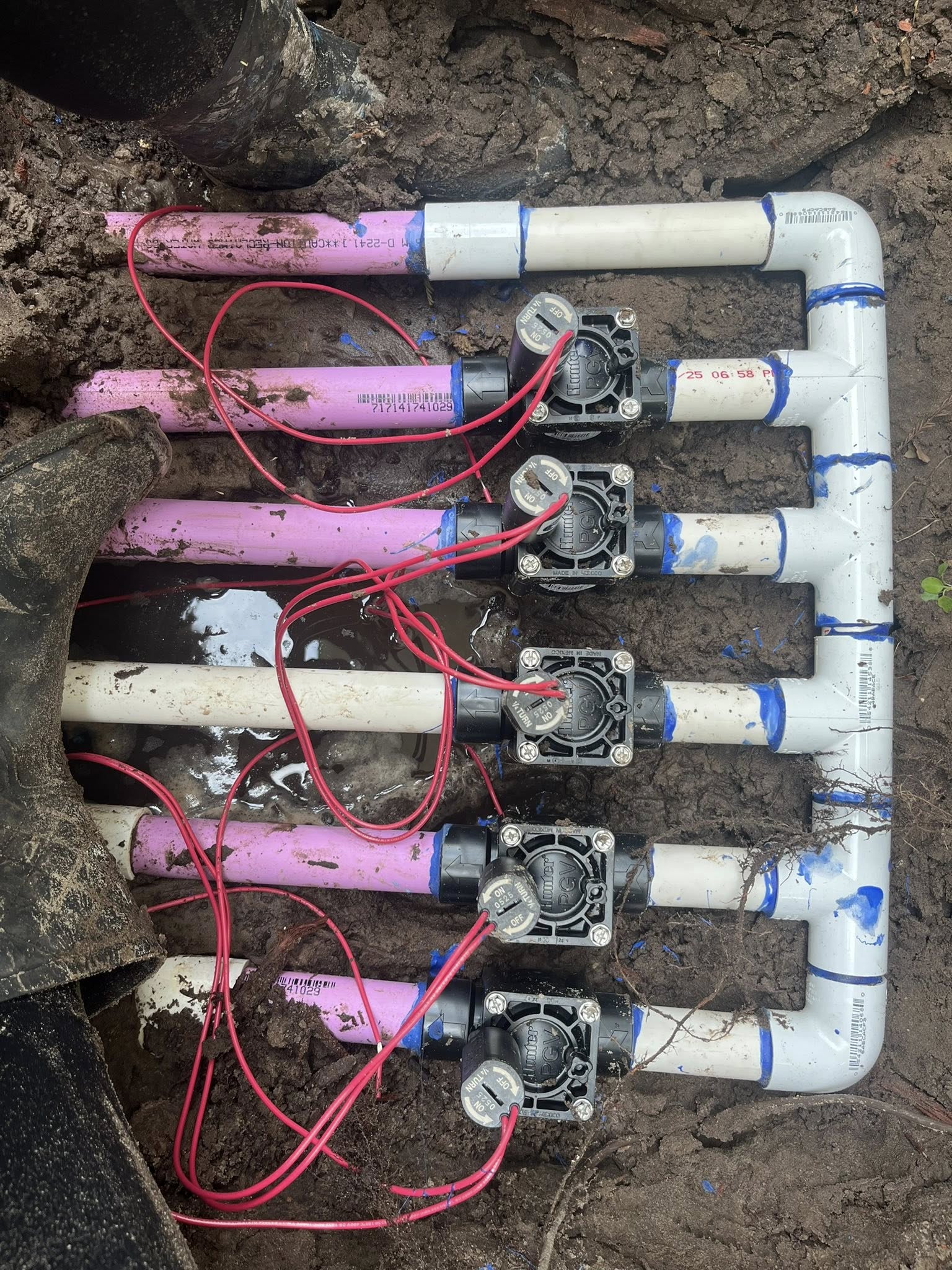
When it comes to optimizing your sprinkler system, understanding the concept of zoning is fundamental. Zoning involves dividing your landscape into different areas or zones, each with distinct watering needs. This tailored approach not only boosts the efficiency of your irrigation system but also ensures that your diverse landscape thrives. The first step in creating an effective zoning plan is to assess the specific needs of your landscape. Different plants, turf, and shrubs have unique water requirements. For instance, a lush grass lawn requires more frequent watering than a drought-resistant flower bed. Identify these differences to create zones that cater specifically to each area’s needs.
In diverse landscapes, the topography plays a significant role in determining the layout of your sprinkler zones. Areas on slopes or uneven ground might need to be watered differently than flat surfaces. Sloped areas are prone to runoff and may require a lower water application rate or different irrigation heads to manage water distribution effectively. This topographical understanding prevents overwatering in certain sections, which is a common issue when zones are not accurately configured.
Soil type further influences the zoning strategy. Sandy soils have quick drainage, necessitating more frequent, shorter irrigation cycles, while clay soils hold moisture longer, allowing for less frequent irrigation. Understanding the soil composition in each zone helps determine the ideal watering schedule, preventing wastage and promoting healthier plant growth.
Choosing the right sprinkler heads is just as important as defining your zones. Sprinkler heads vary greatly, from rotors to spray heads and drip irrigation systems, each serving different purposes. Use rotors for large, open lawns as they cover more area, whereas spray heads are ideal for smaller plots and flowerbeds. For areas with plants that require targeted watering, drip irrigation minimizes evaporation and maximizes efficiency.
Another vital element in the art of zoning is considering the microclimates within your property. Pay attention to areas that receive more sunlight versus those shaded by trees or structures. Sunny areas may dry out faster and require more frequent watering, whereas shaded zones retain moisture longer. Adjusting your irrigation schedule to these conditions ensures that each plant receives exactly what it needs.
Regular maintenance is key in keeping your sprinkler system optimized. Check for leaks, clogs, and malfunctions that can disrupt your zoning efficiency. Seasonal checks, especially before summer, can ensure that everything is working correctly, saving water and protecting your landscape.
In conclusion, optimizing your sprinkler system through strategic zoning is crucial for maintaining a vibrant and sustainable landscape. At The Sprinkler Lady, we encourage homeowners to embrace this artistry in lawn care, ensuring each section of their garden flourishes regardless of the diversity or complexity of their landscape. By understanding the unique demands of your property and regularly assessing your system's efficacy, you can enjoy a beautiful, water-efficient environment year-round. Let us help you paint the perfect picture of a well-irrigated garden, tailored to your distinct landscape needs.
/filters:no_upscale()/filters:format(webp)/media/57378dff-5d6a-4cbc-8568-d52fef0e8a4c.png)
/filters:no_upscale()/filters:format(webp)/media/0177e029-84c6-418b-b472-cd69bdcde8de.jpeg)