Troubleshooting Common Sprinkler System Issues: A Guide for Homeowners Mar 26, 2026
One of the most frequent issues homeowners encounter with their sprinkler systems is uneven water distribution. This often results in patches of grass that are either too dry or too soggy. The cause of this can vary from misaligned sprinkler heads to blockages. Start by checking each sprinkler head to ensure it is positioned correctly and not obstructed by dirt or debris. If necessary, adjust the rotation or replace the nozzle to ensure even coverage.
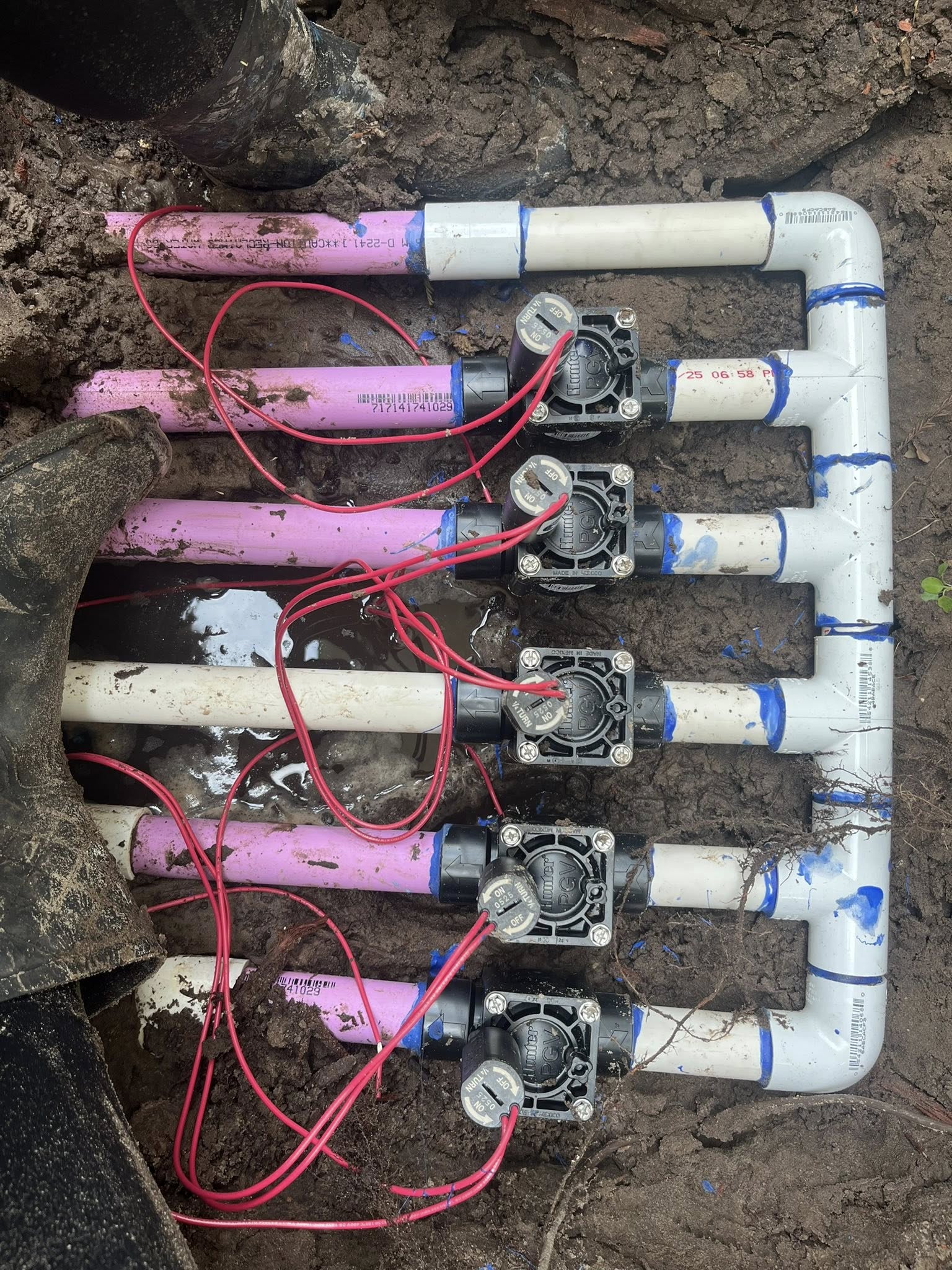
Another potential problem is low water pressure. Low pressure can lead to inadequate watering of your lawn. This issue could be due to a variety of reasons, such as a partially closed control valve, a leak in the system, or multiple heads operating simultaneously on water lines that can't support them. Inspect your control valves to make sure they are fully open. Examine all visible piping for any signs of leaks, and consider reducing the number of sprinkler heads per zone to optimize water flow.
Leaking sprinkler heads are not uncommon and can lead to water wastage and higher utility bills. Leaks often occur due to damaged seals or connections. Check for puddles around the base of each sprinkler head when the system is off, which could indicate a leak. Replace any faulty seals or tighten connections to prevent further leakage.
Occluded or clogged sprinkler heads can significantly reduce a system's efficiency. Dirt, grass clippings, and other debris can easily find their way into the nozzles, blocking water flow. To clean them, first shut off the system, then gently remove each sprinkler head. Rinse the nozzle and filter with water to clear any blockages. Regular maintenance in this area can prevent significant problems down the line.
Operational issues with the sprinkler timer or controller can lead to either overwatering or underwatering. If you suspect a problem with your sprinkler timer, check the settings to ensure they are programmed correctly for the current season. Many modern systems allow for seasonal adjustments, which can help optimize watering times based on weather changes. Replace batteries if necessary and consult your system's manual for troubleshooting tips specific to your model.
In some cases, electrical problems could be at the root of your sprinkler system's difficulties. If particular zones fail to start, the wiring or solenoid might be faulty. Inspect the wiring connected to the malfunctioning zone and consider consulting a professional if you’re unfamiliar with electrical repairs.
Maintaining a sprinkler system often requires a mix of regular checks and occasional repairs. By understanding and addressing these common issues, you can prolong the life of your system and ensure your lawn stays healthy and vibrant. Remember, when in doubt or if you encounter more complex problems, reaching out to a trusted lawn sprinkler system contractor like The Sprinkler Lady can provide peace of mind and professional assistance.
Feel free to reach out to our team for any irrigation concerns or routine maintenance needs. A well-maintained sprinkler system will not only save you time and money but will also ensure your lawn remains stunning throughout the year.
/filters:no_upscale()/filters:format(webp)/media/57378dff-5d6a-4cbc-8568-d52fef0e8a4c.png)
/filters:no_upscale()/filters:format(webp)/media/0177e029-84c6-418b-b472-cd69bdcde8de.jpeg)